I've always loved the look of white gold jewelry. It's classic, elegant, and goes with just about everything. When my partner and I started talking about engagement rings, I was immediately drawn to white gold. But then I started hearing about the maintenance involved, specifically the replating process. That's when the questions started swirling: How often do you really need to replate a white gold ring? And are there other options that might be less demanding?
Designing my engagement ring was such an exciting time. I was completely torn between white gold and platinum. Platinum seemed like the low-maintenance choice, but white gold had a certain allure. I dove deep into researching the pros and cons of each, trying to figure out what would work best for my lifestyle. I wanted something beautiful, of course, but also something practical that I wouldn't have to constantly worry about. This led me down a rabbit hole of information, and I learned so much about the nuances of white gold care. It became clear that understanding the metal and its upkeep was essential before making a final decision.
One of the first things I learned was that white gold isn't naturally white. It's actually an alloy of gold and other white metals, like nickel or palladium, and it's usually plated with rhodium to give it that bright, shiny appearance. The rhodium plating wears away over time, revealing the slightly warmer, more yellowish undertone of the white gold underneath. This is why replating is necessary to maintain the ring's original look.
I found that the typical recommendation for replating 14k white gold is every 6-12 months. This timeframe seemed reasonable, but I wanted to explore other options. I learned about palladium white gold, which has a warmer undertone but doesn't usually look "yellow." It's also less likely to need replating as frequently. The downside, however, is that it can be nearly the same price as platinum, especially with current gold and platinum prices. For many, the extra cost isn't worth it.
Then, I encountered something that really resonated with me. Someone shared that their antique white gold ring, over 100 years old, had never been replated. The owner had consciously decided against replating it. The subtle difference in color was only noticeable when placed next to a brand-new white gold ring. This made me realize that I might be okay with the natural aging process of white gold and its slightly warmer tone. It made me think about accepting the change instead of fighting it.
When we were shopping for wedding bands, this perspective led me to consider rose gold instead of white gold. I found myself drawn to the unique warmth and character of rose gold, and it felt like a perfect complement to my white gold engagement ring. This experience taught me that there's beauty in embracing the natural evolution of jewelry, rather than striving for a perpetually pristine look.
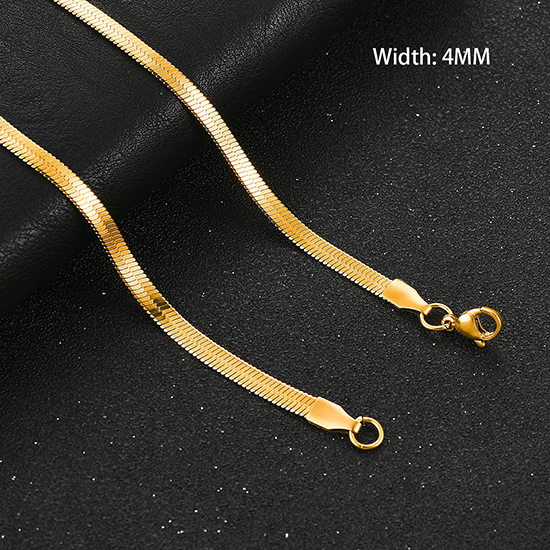
Speaking of alternatives, I recently purchased a beautiful stainless steel necklace from SumsFashion Best Sellers. It’s a New 2/3/4/5mm Wide Women Stainless Steel Flat Blade Chain Necklace for Men Trendy Accessories Neck Choker Jewelry Gift 4MM Gold-41cm 16 inch, and I absolutely love it. I was looking for something durable and stylish that I could wear every day without worrying about tarnishing or discoloration. After reading countless reviews, I decided to give SumsFashion a try. I was pleasantly surprised by the quality of their jewelry and how affordable it was. The stainless steel chain has a lovely gold tone. It's a perfect alternative to gold when I want a similar look without the worry of maintenance.
Another important factor that I considered was the environmental impact of replating. I learned that a good replating requires some polishing, which inevitably leads to material loss over time. More importantly, the plating process itself has an environmental cost, requiring the use of distilled water baths and various chemicals. This made me think about the long-term sustainability of constantly replating my ring. I started to question whether the temporary aesthetic benefit was worth the environmental burden.
I also discovered that replating is not always essential. Some people choose never to replate their white gold jewelry, and they're perfectly happy with the natural color change. The shift happens so gradually that you might not even notice it over time. One person mentioned having their ring for seven years before upgrading and never having it replated. It's a matter of personal preference, but it's definitely an option to consider. This made me realize that I had more control over the appearance of my ring than I initially thought.
Based on my research and experiences, here are some practical tips for maintaining white gold rings: